Engineered vs Solid Hardwood
Both engineered and solid hardwood offer the timeless beauty of real wood, but they differ in construction, durability, and where they can be installed. Understanding these differences will help you choose the right hardwood for your home.
Quick Comparison
| Feature | Engineered Hardwood | Solid Hardwood |
|---|---|---|
| Can be refinished | 1–2 times | 4–6 times |
| Moisture resistance | Moderate | Low |
| Below grade installation | ||
| Cost per sq ft | $6–$12 | $8–$15 |
| Lifespan | 30–50 years | 50+ years |
| Resale value | High | Highest |
| Installation method | Glue/float/nail | Nail only |
| Dimensional stability | High | Moderate |
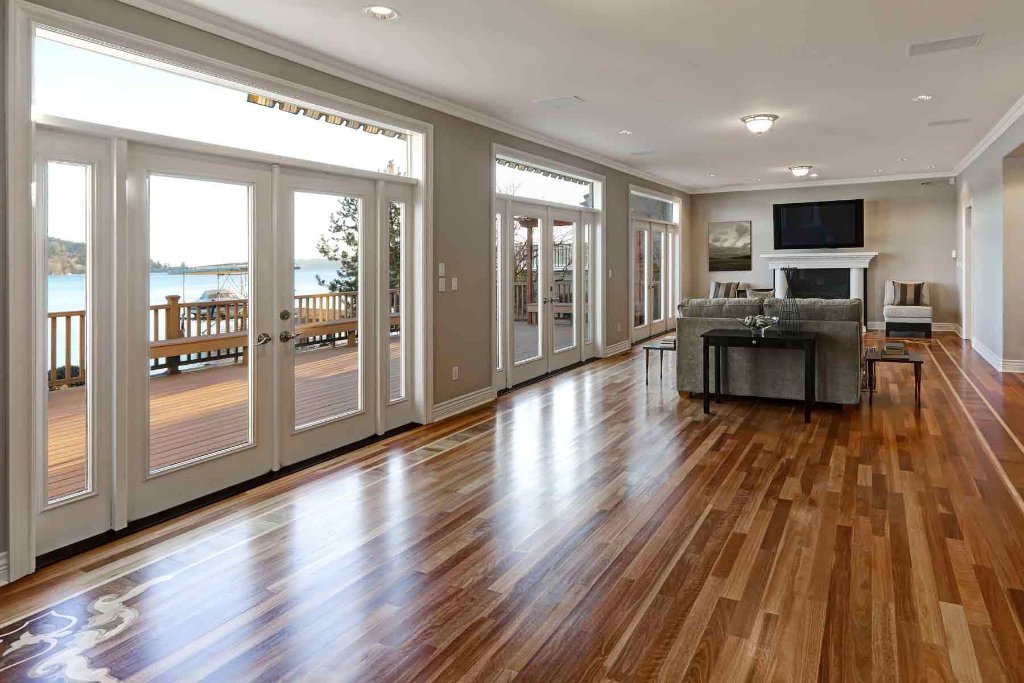
Engineered Hardwood
$6–$12/sq ft installed
Pros
- More moisture-resistant than solid
- Can be installed below grade (basements)
- Dimensionally stable
- Multiple installation methods
- More affordable than solid
Cons
- Thinner wear layer (can refinish 1–2 times)
- Lower resale value than solid
- Contains adhesives
BEST FOR
Basements, condos, areas with slight moisture, budget-conscious hardwood buyers
Solid Hardwood
$8–$15/sq ft installed
Pros
- Can be refinished 4–6 times
- Highest resale value
- Authentic solid wood throughout
- 50+ year lifespan
- Traditional nail-down installation
Cons
- Susceptible to moisture and humidity
- Cannot be installed below grade
- More expensive
- Requires acclimation period
BEST FOR
Main living areas, above-grade rooms, high-end homes, long-term investment
Frequently Asked Questions
Estimate Your Flooring Project
Get an instant estimated cost range for your flooring installation — no contact info required. See material and labor costs for LVP, hardwood, tile, laminate, and carpet.
Estimate Your Flooring Project
